
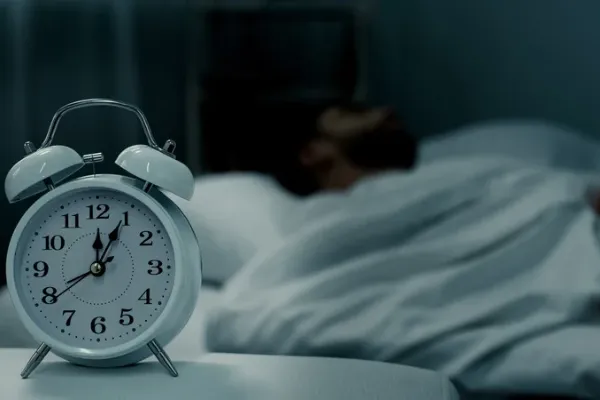
Why You Still Feel Tired After a Full Night's Sleep
You went to bed at 10 p.m. You woke up at 7 a.m.
Nine hours of sleep.
So why do you still feel like you could crawl back under the covers?
It's frustrating, especially when you've done what everyone tells you to do: get more sleep.
But here's the problem.
Sleeping long enough doesn't always mean you're sleeping well.
You can spend eight or nine hours in bed and still wake up exhausted if your sleep is broken, your body isn't getting the rest it needs, or something else is affecting your energy.
Let's look at what might be happening.
1. Your sleep quality may be poor
There's a difference between sleep duration and sleep quality.
Sleep duration is how many hours you sleep.
Sleep quality involves how restful and uninterrupted that sleep is.
You might spend eight hours in bed but wake up several times without remembering every interruption.
Noise, light, temperature, stress, breathing problems, and other factors can disrupt your sleep.
What to try:
Keep your bedroom dark, quiet, and comfortably cool.
Use curtains to block outside light.
Reduce unnecessary noise.
If your mattress or pillow regularly leaves you uncomfortable, look at whether your sleeping setup needs attention.
Small changes won't solve every sleep problem, but they're a reasonable place to start.
2. You may have sleep apnea
This is one of the more important possibilities to recognize.
Sleep apnea causes repeated breathing interruptions during sleep. These interruptions can disrupt rest even when you don't fully wake up or remember them.
Common signs include:
Loud, frequent snoring
Gasping or choking during sleep
Someone noticing pauses in your breathing
Morning headaches
Dry mouth when waking
Excessive daytime sleepiness
Trouble concentrating
Not everyone with sleep apnea snores, and not everyone who snores has sleep apnea.
If you regularly wake up exhausted despite enough time in bed, especially with these symptoms, talk with a healthcare professional.
Sleep apnea can be diagnosed and treated.
Don't assume you just need another hour in bed.
3. Stress may be keeping your brain on alert
You can be physically asleep while your body is still dealing with stress.
Think about the night before a big meeting.
You fall asleep, but your mind keeps circling around tomorrow's problems. You toss and turn. You wake up feeling like you spent the night working.
Chronic stress and anxiety can affect sleep quality.
And poor sleep can make stress feel worse the next day.
A rough cycle.
What to try:
Give yourself 20 to 30 minutes to wind down before bed.
Put work away.
Write down tomorrow's tasks.
Try gentle stretching or slow breathing.
If worry is regularly keeping you awake or affecting your daily life, consider speaking with a mental health professional.
4. Your sleep schedule keeps changing
Your body runs on an internal clock called the circadian rhythm.
That clock helps regulate when you feel sleepy and when you feel alert.
If you wake up at 6 a.m. on weekdays but sleep until 11 a.m. on weekends, your schedule may be working against you.
The same can happen with rotating shifts or frequent late nights.
What to try:
Keep your wake-up time reasonably consistent, including weekends.
Get daylight after waking.
Avoid changing your bedtime by several hours from one night to the next whenever possible.
You don't need perfect timing.
You need a pattern your body can recognize.
5. You're waking up during sleep inertia
Ever wake up feeling confused, heavy, and desperate for another 20 minutes?
That groggy feeling is called sleep inertia.
It's the period after waking when your brain hasn't fully shifted into alert mode.
It can be more noticeable after waking from deep sleep, with sleep loss, or at an unusual point in your body clock.
For many people, it fades as they become fully awake.
What to try:
Get out of bed.
Open the curtains.
Move around gently.
Give yourself a little time before making demanding decisions.
If the grogginess lasts for hours or you regularly struggle to stay awake, don't dismiss it as normal sleep inertia.
Get it checked.
6. Caffeine may be affecting your sleep
That afternoon coffee might be doing more than keeping you awake at work.
Caffeine can remain active in your body for hours.
Even if you fall asleep at your usual time, caffeine consumed too late may interfere with sleep.
Coffee isn't the only source.
Tea, energy drinks, cola, some supplements, and certain medications can contain caffeine.
What to try:
Move your last caffeinated drink earlier in the day.
If you're sensitive to caffeine, you may need a longer gap before bedtime.
Try the change for a week or two and see whether your sleep improves.
7. Alcohol may be disrupting your rest
Alcohol can make you feel sleepy at first.
That doesn't mean it helps you get better sleep.
It can disrupt sleep later in the night and may worsen snoring or sleep-related breathing problems.
You might fall asleep quickly and still wake up feeling awful.
If you drink alcohol, notice whether your sleep and morning energy change after drinking, especially close to bedtime.
Reducing or avoiding alcohol in the evening may help.
8. You may not be eating enough
Food provides the energy your body needs to function.
If you're regularly skipping meals, eating too little, or following a very restrictive diet, you may feel tired even when you're sleeping enough.
Sometimes the pattern is obvious.
Coffee for breakfast.
No lunch.
A snack at 4 p.m.
Dinner whenever you finally get home.
Then you wonder why your energy is gone.
Try eating regular, satisfying meals that include protein, carbohydrates, healthy fats, and fiber-rich foods.
If you're losing weight unintentionally or struggling to eat enough, speak with a healthcare professional.
9. Low iron or anemia could be involved
Iron helps your body make hemoglobin, which carries oxygen in your blood.
Iron deficiency and anemia can cause fatigue, weakness, dizziness, and shortness of breath.
Some people are at greater risk, including those with heavy menstrual bleeding, certain digestive conditions, or inadequate iron intake.
But tiredness alone doesn't prove you have low iron.
A healthcare professional may recommend blood tests based on your symptoms and medical history.
Don't start taking high-dose iron supplements just because you're tired.
Too much iron can be harmful.
10. Your thyroid may be underactive
Your thyroid produces hormones that help regulate how your body uses energy.
When thyroid hormone levels are too low, you may feel unusually tired.
Other possible symptoms include feeling cold more often, constipation, dry skin, and changes in weight.
These symptoms can have many causes, so they don't automatically mean you have a thyroid problem.
A healthcare professional can decide whether thyroid testing makes sense.
11. Certain medications may cause drowsiness
Some medications can leave you feeling sleepy or sluggish.
Examples include certain allergy medications, sleep aids, pain medicines, and medications used for some mental health conditions.
The effect depends on the specific medicine and the person taking it.
If your fatigue began after starting a medication or changing a dose, talk with your doctor or pharmacist.
Don't stop a prescribed medication on your own.
12. Depression or other mental health conditions may affect your energy
Not all exhaustion comes from a sleep problem.
Depression can involve low energy, sleep changes, poor concentration, and loss of interest in activities.
Anxiety can also leave you mentally and physically drained.
You might sleep for a long time and still feel exhausted.
If low mood, persistent worry, or emotional numbness is part of the picture, it's worth talking with a mental health professional.
You don't have to wait until symptoms become severe.
13. You're not moving enough during the day
This sounds backward.
You're tired, so you rest more.
But spending most of the day sitting can leave you feeling sluggish, and regular physical activity can help support sleep and daytime energy.
You don't need an intense workout.
Start with a 10-minute walk.
Stretch between long periods of sitting.
Take the stairs when practical.
If you're dealing with severe or unexplained fatigue, though, don't force yourself through hard exercise. Get medical guidance first, especially if activity makes your symptoms significantly worse.
14. You may have an underlying health condition
Persistent fatigue can have causes that have little to do with your bedtime.
Examples include diabetes, chronic infections, heart or lung conditions, vitamin deficiencies, and other medical problems.
Some people also experience prolonged fatigue after an infection.
If you're consistently exhausted despite adequate sleep, don't assume you need a better pillow or another supplement.
Sometimes the right next step is a medical appointment.
How much sleep do you actually need?
Most adults need about 7 to 9 hours of sleep per night, although individual needs vary.
Some people need more.
Others feel well-rested closer to the lower end of that range.
And sleep needs can change with age, illness, recovery, and other factors.
The goal isn't to hit a number and declare success.
It's to get enough good-quality sleep to function well during the day.
Try this seven-day sleep reset
Before buying a new mattress, taking a handful of supplements, or downloading another sleep app, try a few basic changes.
Day 1: Choose a consistent wake-up time.
Day 2: Get some daylight shortly after waking.
Day 3: Move caffeine earlier in the day.
Day 4: Make your bedroom darker, quieter, and more comfortable.
Day 5: Take a short walk or add gentle movement during the day.
Day 6: Create a 20-minute bedtime wind-down without work.
Day 7: Review how you feel.
Notice whether you're waking up less often, feeling more alert, or struggling less with daytime sleepiness.
Keep the habits that help.
If nothing improves, don't keep repeating the same experiment for months.
If you regularly wake up gasping, experience breathing pauses during sleep, or have severe daytime sleepiness, seek medical advice rather than waiting to complete the seven-day routine.
Track your sleep without obsessing over it
A simple sleep diary can help you spot patterns.
For one or two weeks, write down:
When you went to bed and woke up
Roughly how long it took to fall asleep
Whether you remember waking during the night
Caffeine or alcohol consumed later in the day
How rested you felt in the morning
Whether you felt sleepy during the day
You don't need a smartwatch.
And if your sleep tracker says you slept badly but you feel fine, don't automatically trust the device over your own experience.
Consumer sleep trackers can be useful for trends, but they can't diagnose sleep disorders.
When should you see a doctor?
Occasional tired mornings happen.
But persistent exhaustion deserves attention.
Make an appointment if you're regularly tired despite adequate sleep, especially if the fatigue is getting worse or affecting your work, relationships, or daily activities.
Seek medical advice if you have loud snoring with gasping, unexplained weight changes, ongoing weakness, or other concerning symptoms.
If you're so sleepy that you're struggling to stay awake while driving, don't drive until it's safe. Seek medical evaluation.
Get urgent medical care for symptoms such as chest pain, fainting, severe breathing trouble, or sudden serious weakness.
Stop measuring sleep by hours alone
Eight hours in bed doesn't guarantee eight hours of restorative sleep.
Your sleep may be interrupted.
Your schedule may be inconsistent.
Stress may be affecting your nights.
Or a medical condition may be draining your energy.
Start with the habits you can change: a steady schedule, a comfortable bedroom, enough food, appropriate movement, and less late-day caffeine.
But if you're still waking up exhausted week after week, don't just keep adding more sleep.
Find out what's getting in the way.
Because the goal isn't simply to spend more time in bed.
It's to wake up feeling ready to live your day.