Signs of Poor Gut Health and How to Support Your Gut Naturally
Your gut has a bigger job than simply digesting lunch.
Your digestive system helps break down food, absorb nutrients, and interact with a huge community of microorganisms known as the gut microbiome.
When digestion is off, your body usually tells you.
Maybe you're constantly bloated. Maybe your bowel habits have changed. Maybe you feel uncomfortable after meals or you're dealing with constipation that keeps coming back.
But here's the important part: one digestive symptom doesn't automatically mean you have poor gut health.
There can be many causes.
The smarter approach is to pay attention to patterns and build habits that support your digestive system as a whole.
What Is Gut Health?
Gut health refers to how well your digestive system functions and how it interacts with the microorganisms living in your digestive tract.
Your gut microbiome contains many different microorganisms. Some can support normal body functions, while others may be harmful under certain conditions. The balance and activity of these microbes can be influenced by diet and other factors.
That's why gut health isn't about having a certain number of "good bacteria."
It's about supporting a healthy digestive environment.
Signs That Your Gut May Need More Attention
Digestive symptoms can have many causes, but these are some common signs worth noticing.
1. Frequent Bloating
Feeling bloated occasionally is normal.
But if you're frequently uncomfortable, especially after meals, it's worth looking at your diet, eating habits, stress, and bowel patterns.
Persistent bloating can also have medical causes, so don't assume it's simply a microbiome problem.
2. Constipation
Constipation can mean fewer than three bowel movements per week, hard or dry stools, painful bowel movements, or feeling like you haven't completely emptied your bowel.
Low fiber intake, dehydration, lack of physical activity, certain medications, and changes in routine can all contribute.
Your bathroom habits are worth paying attention to.
3. Frequent Diarrhea
Occasional diarrhea can happen after an infection or certain foods.
Repeated or persistent diarrhea is different.
If it's happening regularly, don't try to solve the problem with random supplements. Talk with a healthcare professional to find out what's causing it.
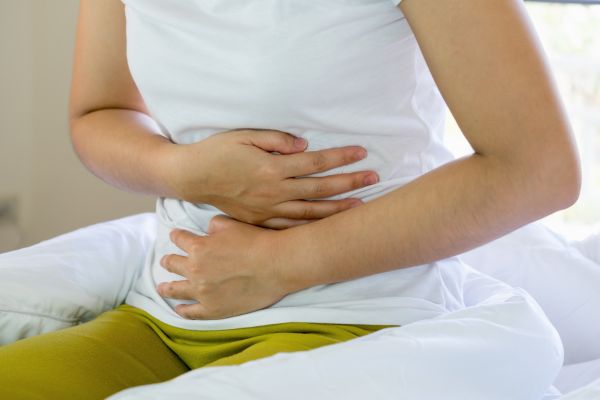
4. Abdominal Discomfort
Gas, cramping, or abdominal discomfort can have many possible causes.
Food intolerances, digestive disorders, infections, medications, and other health conditions can all play a role.
If abdominal pain is persistent or severe, it's time to get it checked rather than simply calling it "poor gut health."
5. Changes in Your Normal Bowel Habits
Your normal doesn't have to match someone else's.
Some people go every day. Others don't.
What's more important is noticing a significant or persistent change from your usual pattern.
That change can be useful information for you and your healthcare provider.
How to Support Your Gut Naturally
You don't need a complicated "gut detox."
In fact, I'd skip those.
Your digestive system already has its own systems for processing food and waste. Start with the boring basics that actually make sense.
1. Eat More Fiber-Rich Foods
Fiber is one of the best places to start.
Good sources include:
Beans and lentils
Oats and whole grains
Berries
Apples and pears
Broccoli
Carrots
Leafy vegetables
Nuts and seeds
For adults, general fiber recommendations are around 22 to 34 grams per day, depending on age and sex. If you're currently eating very little fiber, increase it gradually rather than suddenly loading your plate with beans and bran.
And drink enough fluids.
Fiber works better when you stay hydrated.
2. Eat a Variety of Plant Foods
Don't obsess over finding one "superfood" for your gut.
Variety matters.
Rotate different fruits, vegetables, whole grains, beans, nuts, and seeds through your meals.
Your gut microbes interact with components of the food you eat, so a diverse diet gives your digestive system a broader range of nutrients and fibers to work with.
Think colorful.
Think varied.
Keep it simple.
3. Add Fermented Foods
Fermented foods can contain live microorganisms, although not every fermented food contains probiotics with proven health benefits.
Some options include:
Yogurt with live cultures
Kefir
Sauerkraut
Kimchi
Miso
Certain fermented vegetables
Start with small portions if you're not used to fermented foods.
You don't need to eat a giant bowl of kimchi every day.
4. Don't Automatically Reach for Probiotic Supplements
Probiotics are often marketed as a universal answer to digestive problems.
They're not.
Different probiotic products contain different microorganisms and strains, and research shows that benefits can vary depending on the specific product and health condition. Scientists still don't have clear answers for many uses.
If you're considering a probiotic supplement, look beyond the word "probiotic" on the front of the bottle.
Check the specific strains and discuss it with a healthcare professional if you have an underlying health condition or take medications.
5. Drink Enough Water
Dehydration can contribute to constipation.
Water also helps fiber do its job.
How much fluid you need varies based on factors such as body size, activity, health, climate, and diet, so there isn't one magic number that works for everyone.
Keep water nearby throughout the day.
That's easier than trying to catch up at night.
6. Move Your Body
Your gut doesn't operate separately from the rest of your body.
Regular physical activity can help with bowel regularity, particularly for people dealing with constipation.
You don't need an extreme workout.
A daily walk is a perfectly good place to start.
Ten minutes after a meal can be easier to maintain than promising yourself an hour at the gym.
7. Don't Ignore the Urge to Go
Busy schedules can make bathroom habits surprisingly difficult.
You may be at work, traveling, or simply too busy to stop.
But repeatedly ignoring the urge to have a bowel movement can contribute to constipation.
Give yourself enough time.
Your digestive system doesn't care about your meeting schedule.
8. Pay Attention to Food Triggers
Some foods may cause bloating, gas, diarrhea, or discomfort for certain people.
Keep a simple food and symptom journal for a couple of weeks.
Write down:
What you ate
Approximate portion
When symptoms appeared
What the symptoms felt like
Your bowel pattern
You may notice a pattern.
But don't start cutting out entire food groups based on one bad day. If symptoms are persistent, a registered dietitian or healthcare professional can help you investigate them safely.
9. Manage Stress
Your brain and digestive system communicate constantly.
Stress can affect how your digestive system functions, and digestive discomfort can add more stress. It's a frustrating loop.
Try simple habits such as:
Walking outside
Deep breathing
Meditation
Journaling
Regular exercise
Getting enough sleep
You don't need a perfect wellness routine.
You need a way to regularly come down from high alert.
10. Prioritize Sleep
Your gut is part of your overall health, not a separate project.
That means the basics still matter.
Aim for a consistent sleep schedule and enough sleep for your individual needs.
Poor sleep can affect many parts of health, including energy, mood, appetite, and daily habits.
Sometimes fixing the gut starts with fixing the lifestyle around it.
A Simple Daily Gut Health Routine
If all of this sounds like too much, strip it down.
Morning: Drink water and eat a fiber-rich breakfast.
Daytime: Eat a variety of whole foods and move your body.
With meals: Slow down and pay attention to how different foods make you feel.
Evening: Give yourself time to unwind and protect your sleep.
That's enough to start.
You don't need a $100 supplement stack.
When Gut Symptoms Need Medical Attention
Natural approaches are useful for supporting general digestive health, but they shouldn't delay medical care.
Seek medical advice if digestive symptoms are persistent, severe, or getting worse.
For constipation, the NIDDK recommends prompt medical attention if you have symptoms such as blood in the stool or rectal bleeding, constant abdominal pain, vomiting, fever, inability to pass gas, or unexplained weight loss.
New or unexplained digestive symptoms deserve proper evaluation.
Don't let the word "natural" convince you that everything can be fixed with food, tea, or supplements.
Good gut health isn't about chasing the perfect microbiome.
It's about giving your digestive system the basics it needs.
Eat enough fiber.
Drink enough water.
Eat a variety of plant foods.
Include fermented foods if they agree with you.
Move regularly.
Sleep well.
Pay attention to persistent changes.
And when something doesn't feel right, get it checked.
Your gut doesn't need a miracle cleanse.
It needs consistent care.