How to Enjoy Food Without Feeling Guilty
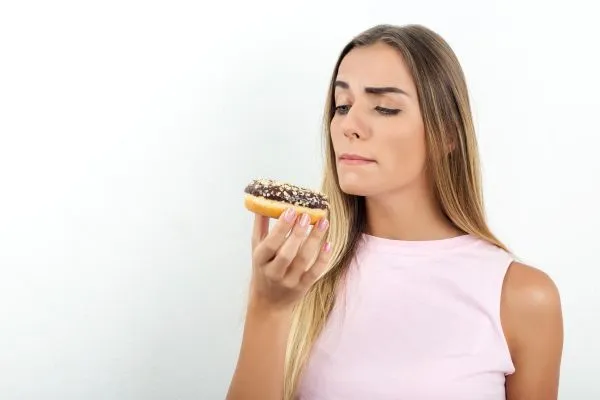
You eat the cake.
You enjoy the cake.
Then five minutes later, the guilt starts.
"I shouldn't have eaten that."
"I ruined my diet."
"I'll skip dinner to make up for it."
That cycle can turn something as ordinary as eating into a daily argument with yourself.
Food is supposed to nourish you. It's also allowed to taste good.
Learning how to enjoy food without guilt starts with dropping the idea that every meal is a test you either pass or fail.
One meal doesn't define your health.
Neither does one dessert.
Where does food guilt come from?
Food guilt usually isn't about the food itself.
It often comes from rules we've picked up over the years.
Carbs are bad.
Sugar is bad.
Eating after a certain time is bad.
Dessert has to be earned.
You need to exercise because you ate pizza.
Hear those messages often enough and eating can start to feel like a moral decision.
But food doesn't determine whether you're a good or bad person.
A salad doesn't make you virtuous.
A cookie doesn't make you a failure.
Stop calling food “good” and “bad”
This is a useful place to start.
Some foods provide more fiber, protein, vitamins, minerals, or other nutrients than others.
That's true.
But turning that nutritional difference into a moral judgment isn't helpful.
Try more neutral language.
Instead of “bad food,” think “food I enjoy occasionally.”
Instead of “clean food,” think “nutrient-rich food.”
This sounds like a small language change.
It can change how you think about eating.
Remember that one meal doesn't determine your health
Imagine you have pizza for dinner.
Did your entire diet suddenly collapse?
No.
Your health is shaped by patterns over time.
If you regularly eat vegetables, fruit, whole grains, protein-rich foods, and other nutritious foods, a Friday night pizza doesn't erase that.
The opposite is also true.
One salad doesn't magically create a healthy diet.
Patterns matter.
Stop trying to “earn” your food
You don't need to run five miles before eating dessert.
You don't need to skip lunch because you're going out for dinner.
And exercise doesn't need to become punishment for what you ate yesterday.
Your body needs food whether you worked out or not.
Movement has plenty of benefits on its own.
Walk because you enjoy it.
Lift weights because you want to get stronger.
Exercise because it helps you feel good.
Don't turn your workout into a payment plan for dinner.
Eat foods you actually enjoy
Healthy eating gets miserable when every meal is built around what you think you're supposed to eat.
If you hate kale, don't eat kale.
There are other vegetables.
If you prefer rice to quinoa, eat rice.
If you love pasta, find ways to build balanced meals around pasta instead of spending years pretending zucchini noodles are exactly the same thing.
They're not.
Eating nutritious food becomes much easier when you actually like the food.
Give yourself permission to eat
Restriction can make certain foods feel even more powerful.
Tell yourself you can never eat chocolate again and guess what you'll probably think about?
Chocolate.
Instead of creating endless forbidden-food rules, allow room for enjoyable foods within your overall eating pattern.
You might have dessert after dinner.
You might eat fries with lunch.
You might enjoy birthday cake without planning tomorrow's punishment workout.
Permission takes some of the drama away.
Slow down enough to taste your food
If you're going to eat something you enjoy, actually enjoy it.
Sit down.
Put your phone away.
Take a bite.
Notice the flavor and texture.
I've watched people eat dessert while complaining about eating dessert the entire time.
They got the calories and missed the pleasure.
That's a terrible deal.
If you've chosen to eat it, let yourself experience it.
Pay attention to hunger
Food guilt can disconnect you from basic body signals.
You start eating according to rules instead of hunger.
Try checking in before meals.
Are you mildly hungry?
Very hungry?
Not hungry but eating because it's a social occasion?
There's no need to judge the answer.
You're gathering information.
Hunger naturally changes from day to day depending on activity, sleep, meals, health, hormones, and plenty of other factors.
You aren't a machine.
Notice comfortable fullness too
Enjoying food doesn't mean ignoring how your body feels.
Slow down enough to notice when you're becoming satisfied.
Sometimes you'll stop because you've had enough.
Sometimes you'll eat beyond comfortable fullness because the food is delicious or it's a special occasion.
That happens.
You don't need to panic afterward.
Notice how you feel and move on.
Don't skip the next meal to compensate
Let's say you eat more than usual at dinner.
The next morning, guilt tells you to skip breakfast and “make up for it.”
That can create another problem.
You may become extremely hungry later, eat quickly, feel out of control, and then experience more guilt.
Instead of punishing yourself, return to your usual eating pattern.
One bigger meal doesn't require a day of restriction.
Your next meal can simply be your next meal.
Stop comparing your plate with someone else's
Your friend eats a tiny lunch.
A fitness influencer posts a perfectly measured meal.
Someone at work refuses dessert.
None of that tells you what your body needs.
People have different bodies, activity levels, medical needs, preferences, cultures, budgets, and appetites.
Eat your meal.
Let them eat theirs.
Be careful with social media nutrition advice
Online nutrition can become extreme very quickly.
Someone removes sugar.
Someone else removes dairy.
Then grains.
Then seed oils.
Then fruit because apparently bananas have joined the criminal underworld.
Before long, you're afraid of half the grocery store.
Be skeptical of anyone who divides ordinary foods into miracle foods and toxic foods without good evidence.
If you need personalized nutrition advice, a registered dietitian or qualified healthcare professional is a much better source than a viral video.
Make room for cultural and family foods
Food isn't only nutrients.
It's also culture.
Family.
Memory.
Celebration.
Your grandmother's recipe may not have perfect nutrition numbers.
That's okay.
Holiday meals, birthday cakes, traditional foods, and family recipes can be part of a healthy relationship with food.
You don't need to “healthify” every meaningful meal.
Sometimes the original recipe is the point.
Drop the “I'll start again Monday” mindset
You eat something outside your plan on Wednesday.
Then you think:
"Well, I've already ruined this week."
So Wednesday turns into Thursday, Friday, and the weekend.
Monday becomes another dramatic restart.
You don't need to restart anything.
Just eat normally at your next meal.
No detox.
No cleanse.
No punishment.
Lunch is lunch.
Build balanced meals without obsessing
You can care about nutrition without turning every meal into a spreadsheet.
A simple meal might include:
Protein: Eggs, fish, poultry, beans, lentils, tofu, yogurt, or another source you enjoy.
Produce: Fruit or vegetables.
Carbohydrates: Rice, potatoes, bread, oats, pasta, or other grains.
Fat: Nuts, seeds, avocado, olive oil, cheese, or another source.
Not every meal needs every category in perfect proportions.
This is a flexible guide.
Not a food law.
What to do after eating more than you planned
First, don't panic.
Maybe you were hungry.
Maybe the food was excellent.
Maybe it was Thanksgiving.
Maybe you were distracted.
Notice what happened without attacking yourself.
Then continue your normal routine.
Drink water when you're thirsty.
Eat your next meal when appropriate.
Move your body if you want to, not because you need to burn off what you ate.
Your body can handle an occasional large meal.
Challenge the guilty thought
When food guilt shows up, don't automatically believe it.
If your brain says:
"I was terrible today. I ate ice cream."
Try:
"I ate ice cream because I wanted some. One food doesn't define my health."
If your brain says:
"I need to skip breakfast tomorrow."
Try:
"I don't need to punish myself for eating."
This may feel awkward at first.
That's okay.
You're replacing an old script.
Don't make “healthy eating” another form of perfectionism
You can eat nutritious food and still enjoy dessert.
You can care about your health and order takeout.
You can eat vegetables at lunch and chips later.
These things can exist together.
Healthy eating isn't ruined by enjoyment.
In fact, an eating pattern you enjoy is much more likely to survive real life.
What if the guilt feels overwhelming?
Occasional worries about food are one thing.
Constant fear, shame, or anxiety around eating deserves more attention.
Consider getting professional help if you regularly:
Skip meals to compensate for eating
Feel intense guilt after meals
Binge or feel out of control around food
Avoid social events because food will be present
Exercise mainly to compensate for eating
Become extremely anxious about ingredients or calories
Follow increasingly restrictive food rules
Feel that thoughts about food are taking over your day
A registered dietitian experienced in disordered eating or an appropriate mental health professional can help.
You don't have to wait until things become severe.
Try this at your next meal
Sit down.
Put your phone away for a few minutes.
Look at the food.
Eat slowly enough to taste it.
Notice your hunger and fullness.
If you enjoy the meal, let yourself enjoy it.
Then get on with your day.
No mental courtroom afterward.
Food doesn't need to be perfect
Some meals will be beautifully balanced.
Some will be rushed.
Some will involve vegetables.
Some will involve birthday cake.
Some nights you'll cook from scratch.
Other nights dinner may come in a cardboard box because the day went completely sideways.
That's normal.
The goal isn't to eat perfectly.
It's to build an eating pattern that supports your health without making you afraid of food.
Eat nutritious foods most of the time.
Make room for foods you love.
Enjoy celebrations.
Listen to your body.
Then stop giving one cookie enough power to ruin your entire day.
It's a cookie.
Eat it, enjoy it, and move on.