
Healthy Grocery Shopping: A Beginner's Guide
Healthy grocery shopping can get complicated fast.
One person tells you to avoid carbs. Another says everything needs to be organic. Then you turn over a package and find 19 ingredients you can't pronounce.
Forget all that for a minute.
Healthy grocery shopping is mostly about buying enough basic foods to build balanced meals you’ll actually eat.
You don't need a cart full of expensive “superfoods.”
You need a plan.
Start before you reach the store
The easiest place to make a bad grocery decision is when you're standing in an aisle hungry, tired, and trying to remember what's in your refrigerator.
Take five minutes before leaving home.
Check your fridge, freezer, and pantry.
Then decide what you'll eat for a few meals.
You don't need to plan every bite for the next seven days.
Three or four dinners is a perfectly good start.
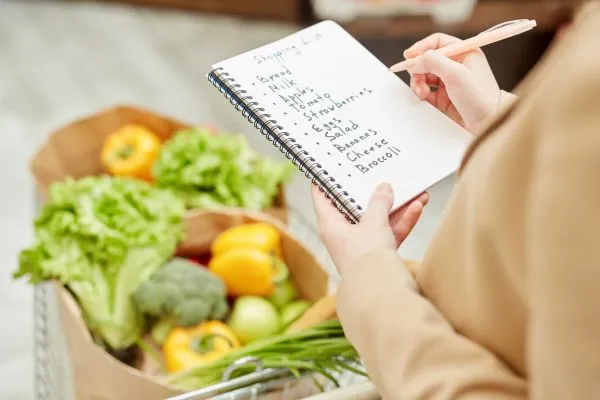
Make a simple grocery list
Build your list around the main food groups you use regularly.
Think:
Vegetables
Fruits
Protein foods
Whole grains and other high-fiber carbohydrates
Dairy or alternatives
Healthy fats
Snacks
A few convenient backup foods
Then add specific items.
Instead of writing “healthy food,” write chicken, eggs, oats, bananas, frozen broccoli, yogurt, beans, and whole-grain bread.
Specific lists save time.
Don't shop extremely hungry
We've all made this mistake.
You go grocery shopping at 6 p.m. after barely eating lunch.
Suddenly everything looks necessary.
Cookies? Absolutely.
Family-size chips? Obviously.
A snack before shopping can make it easier to stick with your plan.
It doesn't need to be complicated.
Have some fruit, yogurt, nuts, or another simple snack before you leave.
Start with vegetables
Choose vegetables you already know you'll eat.
You don't get extra health points for buying kale if it's going to spend two weeks slowly dying in your refrigerator.
Try basics such as:
Broccoli
Carrots
Tomatoes
Spinach
Cabbage
Bell peppers
Cucumbers
Green beans
Onions
Squash
Fresh isn't your only option.
Frozen vegetables can be one of the smartest purchases in the store.
Buy frozen vegetables without guilt
Frozen produce is convenient, lasts longer, and can still provide plenty of nutrients.
Keep a few bags in the freezer.
Broccoli.
Mixed vegetables.
Peas.
Spinach.
Green beans.
On a busy night, you can heat a portion in minutes and add it to eggs, rice, pasta, soup, or whatever you're making.
No chopping.
No forgotten vegetables turning to mush in the produce drawer.
Choose fruit you'll actually grab
Fruit is an easy way to add more produce to your day.
Pick a few options you enjoy.
Bananas and apples are easy to grab.
Berries work well with yogurt or oatmeal.
Oranges and mandarins travel well.
Frozen fruit can be useful for smoothies.
Buying six kinds of fruit sounds healthy until half of it ends up in the trash.
Start with two or three.
Build meals around protein
Choose a few protein foods for the week.
Depending on your diet and preferences, that might include:
Eggs
Fish
Chicken
Lean meat
Beans
Lentils
Tofu
Yogurt
Cottage cheese
Nuts and seeds
You don't need all of them.
Pick two or three main proteins and think about the meals you can make with them.
Chicken can become a rice bowl one night and a sandwich the next day.
Beans can go into soup, tacos, salads, or rice.
Make ingredients work more than once.
Don't overlook beans and lentils
Beans and lentils deserve more attention.
They're useful sources of fiber and plant protein, and canned versions make them incredibly convenient.
Keep a few cans around for nights when you have no plan.
Look for lower-sodium options when available, or drain and rinse canned beans before using them.
Add them to soups, salads, tacos, pasta, or rice.
Cheap.
Simple.
Useful.
Choose whole grains more often
Whole grains can help increase fiber and provide useful nutrients.
Look for foods such as:
Oats
Brown rice
Whole-grain bread
Whole-wheat pasta
Barley
Quinoa
You don't have to ban white rice or regular bread.
Healthy eating isn't that fragile.
Simply choose whole-grain options more often when they fit your meals and preferences.
Learn to read the ingredient list
The front of a package is marketing.
The back tells you more.
Words like “natural,” “multigrain,” and “made with whole grains” can sound impressive without telling you much about the overall nutritional value.
Look at the ingredient list and Nutrition Facts label.
For bread, for example, check whether a whole grain appears near the beginning of the ingredient list.
For canned foods, sauces, cereals, and snacks, you may also want to compare sodium, added sugars, fiber, and protein.
You don't need to analyze every package for five minutes.
Compare similar products and pick the one that better fits your needs.
Pay attention to added sugar
Sugar can show up in foods you might not expect.
Flavored yogurt.
Breakfast cereal.
Granola.
Sauces.
Coffee drinks.
Snack bars.
You don't need to eliminate added sugar completely.
Just look at the label and compare options.
Sometimes two products sitting beside each other have surprisingly different amounts.
Watch sodium when it matters
Packaged and restaurant foods can contribute a lot of sodium.
Check labels on foods such as soups, sauces, deli meats, frozen meals, and canned foods.
When practical, compare products and choose lower-sodium versions.
Again, you don't need perfection.
Small changes repeated often can matter more than obsessing over one meal.
Buy healthy fats
Fat isn't automatically something to avoid.
Foods such as nuts, seeds, avocado, olive oil, and certain fish can provide unsaturated fats as part of a balanced diet.
The key is portion awareness, especially with energy-dense foods like nuts and oils.
A little can go a long way.
Keep convenient foods
Healthy eating doesn't require cooking everything from scratch.
Convenience matters.
Useful options might include:
Frozen vegetables
Frozen fruit
Canned beans
Canned fish
Pre-cut vegetables
Plain yogurt
Whole-grain bread
Microwaveable grains
Pre-cooked proteins
Lower-sodium soups
Check labels and choose options that fit your needs.
Convenience isn't cheating.
If buying pre-cut carrots means you actually eat carrots, buy the pre-cut carrots.
Build a healthy snack section
Don't wait until you're starving to discover there's nothing useful to eat.
Choose a few easy snacks.
Try:
Apple + peanut butter
Yogurt + berries
Carrots + hummus
Whole-grain crackers + cheese
Banana + nuts
Popcorn
You don't need 12 different snack choices.
Two or three reliable ones are enough.
Have emergency meals
This is one of the best grocery-shopping habits you can build.
Keep ingredients for two or three meals that require almost no effort.
For example:
Eggs + frozen vegetables + whole-grain toast
Beans + rice + salsa + vegetables
Whole-grain pasta + canned tomatoes + frozen vegetables
Soup + whole-grain bread + fruit
These meals are for Wednesday nights when work runs late and cooking suddenly feels impossible.
That's when your grocery planning earns its keep.
Don't assume organic always means healthier
Organic food can be a personal preference.
But a product being labeled organic doesn't automatically make it nutritionally superior.
Organic cookies are still cookies.
If your budget is limited, don't let the price of organic produce stop you from buying fruits and vegetables.
Eating conventional produce is still a practical way to include more plant foods in your diet.
Wash fresh produce appropriately before eating or preparing it.
Compare unit prices
The biggest package isn't always the cheapest.
Look at the unit price when your store provides one.
It shows the cost per ounce, gram, pound, or other unit.
This makes it easier to compare different package sizes and brands.
One warning:
A giant package isn't a bargain if half of it goes bad before you eat it.
Buy the amount you'll realistically use.
Store brands can save money
The plain-looking store brand sitting next to the famous brand may have very similar ingredients and nutrition for less money.
Compare the labels.
This works particularly well for basics such as oats, frozen vegetables, canned beans, rice, pasta, and other pantry staples.
You don't need to pay extra for a prettier box.
Shop with meals in mind
Random healthy ingredients can still leave you with nothing for dinner.
Think in meals.
If you're buying chicken, ask what you're serving with it.
Maybe brown rice and broccoli.
If you're buying eggs, grab whole-grain bread and fruit.
If you're buying beans, add rice, tomatoes, peppers, and seasonings.
Your cart should contain foods that work together.
That's the difference between grocery shopping and collecting ingredients.
A simple beginner grocery list
If you're starting from scratch, try something like this:
Vegetables: Broccoli, carrots, spinach, tomatoes, onions, and frozen mixed vegetables.
Fruit: Bananas, apples, oranges, and frozen berries.
Protein: Eggs, chicken, canned beans, plain Greek yogurt, and nuts.
Grains and carbohydrates: Oats, brown rice, potatoes, whole-grain bread, and whole-wheat pasta.
Healthy fats: Olive oil, peanut butter, nuts, or avocado.
Convenience foods: Canned tomatoes, frozen vegetables, lower-sodium soup, and microwaveable grains.
Snacks: Fruit, yogurt, hummus, popcorn, and whole-grain crackers.
Adjust the list around your culture, budget, dietary needs, and the foods your household actually enjoys.
Don't try to overhaul your cart overnight
If your current grocery cart is mostly highly processed convenience food, you don't need to replace everything in one trip.
Make a few swaps.
Add frozen vegetables.
Buy fruit.
Choose whole-grain bread.
Add beans.
Pick one easy protein.
Then build from there.
Healthy eating usually sticks better when the changes don't make your entire life harder.
Give yourself room for foods you enjoy
Your grocery cart doesn't need to look like a nutrition textbook.
Buy the chocolate.
Get the chips you like.
Have ice cream sometimes.
A balanced eating pattern can include foods chosen purely because they taste good.
The goal isn't to create the cleanest grocery cart in the parking lot.
It's to build an eating pattern you can maintain.
Your first healthy grocery trip can be simple
If all of this feels like too much, remember five things:
Buy a few vegetables.
Buy a few fruits.
Choose two or three protein foods.
Add some whole grains or other high-fiber foods.
Keep one emergency meal at home.
That's a solid start.
You don't need exotic powders, expensive supplements, or a refrigerator that looks like a wellness influencer lives there.
Buy food you like.
Make sure you can turn it into actual meals.
Keep a few healthy options easy to grab.
Then go home before you somehow spend another $40 wandering through the snack aisle.
That's healthy grocery shopping in real life.