
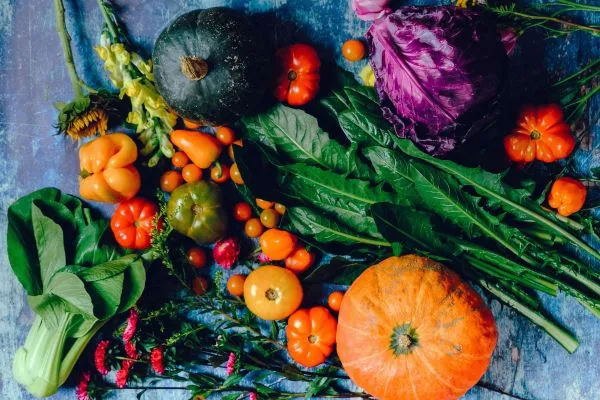
Best Fall Vegetables and Their Nutritional Benefits
Fall vegetables don't get enough credit.
People get excited about pumpkin drinks and apple desserts while cabbage, carrots, squash, and sweet potatoes quietly sit in the produce section doing the actual nutritional heavy lifting.
Many vegetables associated with fall provide fiber, vitamins, minerals, and plant compounds. They're also easy to roast, toss into soups, add to stews, or cook alongside your favorite protein.
And you don't need to eat anything exotic.
Here are some of the best fall vegetables and their nutritional benefits, plus simple ways to get more of them onto your plate.
1. Pumpkin
Let's start with the obvious one.
Pumpkin isn't only decoration.
Its orange color comes partly from carotenoids, including beta-carotene, which your body can convert into vitamin A.
Vitamin A supports normal vision and immune function.
Pumpkin also provides fiber and other nutrients while being relatively versatile in the kitchen.
Try pumpkin in:
Soup
Oatmeal
Curries
Smoothies
Pasta sauce
Baked dishes
Canned pumpkin works too.
Just check the label.
Plain canned pumpkin and pumpkin pie filling aren't the same thing. Pie filling usually contains added sugar and spices.
2. Sweet potatoes
Sweet potatoes are another orange vegetable rich in beta-carotene.
They also provide fiber, potassium, vitamin C, and other nutrients.
One of their best qualities?
They're hard to mess up.
Cut them into chunks, add a little oil and seasoning, and roast them.
Or bake one whole and top it with beans, vegetables, yogurt, or another protein-rich topping.
You can also mash sweet potatoes or add them to soups.
No marshmallows required.
Although if that's your holiday tradition, enjoy it.
3. Carrots
Carrots are cheap, convenient, and easy to forget because they're not marketed as some new miracle food.
That's probably a compliment.
Like pumpkin and sweet potatoes, carrots contain beta-carotene.
They also provide fiber and several other nutrients.
Eat them raw with hummus.
Roast them.
Add them to soup.
Shred them into salads.
Throw them into a stew.
A bag of carrots can survive in the refrigerator considerably longer than the leafy greens you bought with excellent intentions last Tuesday.
That matters.
4. Brussels sprouts
Brussels sprouts have recovered from the terrible reputation they earned from decades of being boiled into submission.
Roasting changes everything.
Brussels sprouts belong to the cruciferous vegetable family, along with broccoli, cabbage, and cauliflower.
They provide fiber, vitamin C, vitamin K, folate, and plant compounds known as glucosinolates.
Cut them in half, toss them with a little olive oil, and roast until the edges brown.
Add garlic, black pepper, or a squeeze of lemon.
Much better than the soggy version you remember from childhood.
5. Broccoli
Broccoli isn't strictly a fall-only vegetable, but cooler seasons are a great time to use it in warm meals.
Broccoli provides vitamin C, vitamin K, folate, fiber, and carotenoids.
It's also part of the cruciferous vegetable family.
Steam it.
Roast it.
Add it to pasta.
Put it in stir-fries.
Throw frozen broccoli into rice or soup.
Frozen broccoli deserves special attention because it removes nearly every excuse.
No washing.
No chopping.
Heat it and eat it.
6. Cauliflower
Cauliflower has been forced to impersonate almost every carbohydrate on earth.
Rice.
Pizza crust.
Mashed potatoes.
Let's give cauliflower a break.
It can simply be cauliflower.
It provides vitamin C, vitamin K, folate, fiber, and other plant compounds.
Roast florets until browned.
Add cauliflower to curry.
Blend it into soup.
Or serve it beside your regular rice instead of pretending the two foods are identical.
They're not.
Both can fit on your plate.
7. Cabbage
Cabbage might be one of the most underrated vegetables in the grocery store.
It's usually inexpensive.
It lasts a relatively long time.
And one head can feed you for days.
Cabbage provides vitamin C, vitamin K, fiber, folate, and plant compounds found in cruciferous vegetables.
Use it in slaws, soups, stir-fries, tacos, stews, or roasted dishes.
Red cabbage also contains anthocyanins, pigments responsible for its deep purple-red color.
Plus, cabbage doesn't wilt into sadness after two days in the refrigerator.
That's a win.
8. Kale
Yes, kale made the list.
Not because it's magical.
Because it's nutritious.
Kale provides vitamins A, C, and K, along with folate, fiber, carotenoids, and minerals.
If raw kale feels like you're chewing landscaping, cook it.
Add chopped kale to soup.
Sauté it with garlic.
Mix it into pasta.
Add it to eggs.
Cooking changes the texture dramatically.
You don't have to suffer through a giant raw kale salad to get the benefits.
9. Spinach
Spinach is another useful leafy green for cooler-weather meals.
It provides folate, vitamin K, carotenoids, and minerals such as iron and magnesium.
Plant-based iron isn't absorbed exactly the same way as iron from animal foods.
Pairing plant sources of iron with foods containing vitamin C can help improve absorption.
Try spinach with tomatoes, peppers, citrus, or other vitamin C-rich foods.
Add spinach to:
Eggs
Soup
Pasta
Curry
Stir-fries
Sandwiches
It cooks down quickly.
A mountain of spinach can become approximately three forkfuls in about 90 seconds.
10. Winter squash
Butternut, acorn, delicata, and other winter squash varieties become especially popular during fall.
Their exact nutrition varies, but many provide carotenoids, fiber, potassium, vitamin C, and other nutrients.
Roast squash with herbs.
Blend it into soup.
Add cubes to grain bowls.
Use it in curries.
Some varieties have edible skin when cooked properly, which can save you from fighting a squash with a vegetable peeler.
Always prepare the specific variety appropriately.
11. Beets
Beets bring serious color to a fall plate.
They provide folate, fiber, potassium, and naturally occurring nitrates.
Dietary nitrates can be converted in the body into nitric oxide, which plays a role in normal blood vessel function.
That doesn't mean beet juice is a magic cardiovascular treatment.
It means beets are a nutritious vegetable worth eating if you enjoy them.
Roast them.
Add them to salads.
Pair them with other root vegetables.
And don't panic if you notice red or pink urine or stool after eating beets.
That can happen.
12. Turnips
Turnips deserve more attention.
The root provides vitamin C, fiber, and other nutrients, while the leafy tops are nutritious too.
Roast turnips with carrots and potatoes.
Add them to soups or stews.
Mash them.
Use the greens like other leafy vegetables.
The flavor can be slightly peppery, especially when raw.
Cooking tends to mellow it.
13. Parsnips
Parsnips look like carrots that haven't seen sunlight in years.
Don't let that stop you.
They have a slightly sweet, earthy flavor and provide fiber, vitamin C, folate, potassium, and other nutrients.
Roasting brings out their sweetness.
Mix parsnips with carrots, onions, and sweet potatoes for an easy tray of roasted vegetables.
Add a protein source and dinner is mostly handled.
14. Leeks
Leeks are related to onions and garlic.
They have a milder flavor than many onions and work especially well in cooler-weather dishes.
Leeks provide vitamin K, folate, and plant compounds, along with smaller amounts of several other nutrients.
Use them in soups, egg dishes, pasta, or roasted vegetable recipes.
One practical warning:
Wash them well.
Dirt loves hiding between the layers.
Slice them open and rinse thoroughly unless you enjoy unexpected crunch.
15. Mushrooms
Mushrooms aren't technically vegetables in the botanical sense, but you'll usually find them hanging around the vegetable section, so they're coming with us.
They provide B vitamins, minerals, and other compounds, although the exact nutritional profile varies by type and growing conditions.
Some mushrooms exposed to ultraviolet light can also provide vitamin D.
Check the label if that's something you're specifically looking for.
Add mushrooms to eggs, soups, pasta, stir-fries, or grain dishes.
Cooking them until browned brings out much more flavor than barely warming them.
Why fall vegetables are worth eating
There's no single vegetable you need to eat for good health.
The bigger win comes from variety.
Orange vegetables can provide carotenoids.
Leafy greens bring folate, vitamin K, and other nutrients.
Cruciferous vegetables provide glucosinolates along with fiber and vitamins.
Beans, whole grains, fruit, nuts, seeds, and other plant foods add even more variety to your diet.
Don't hunt for one perfect vegetable.
Eat several.
Fresh isn't your only option
This matters when fresh produce is expensive or inconvenient.
Frozen vegetables can be nutritious and incredibly useful.
Canned vegetables can work too.
Compare sodium when appropriate for your health needs, and choose lower-sodium versions when practical.
The best vegetable isn't necessarily the organic one arranged beautifully at a farmers market.
Sometimes it's the frozen broccoli you can get onto your plate in four minutes.
An easy fall vegetable goal
Don't buy 15 vegetables after reading this article.
Half of them may end up in the trash.
Pick four.
For example:
Monday: Broccoli with dinner.
Tuesday: Carrots in soup.
Wednesday: Roasted sweet potato.
Thursday: Cabbage stir-fry.
Then repeat the vegetables you liked.
Next week, try another.
That's how variety becomes normal instead of becoming another nutrition project.
Try the roasting shortcut
If you don't know what to do with fall vegetables, roasting solves a lot of problems.
Choose vegetables such as carrots, Brussels sprouts, cauliflower, sweet potatoes, squash, or parsnips.
Cut them into reasonably similar pieces.
Add a small amount of oil and seasonings.
Roast until tender and browned, using a temperature and cooking time appropriate for the vegetables you're preparing.
Make extra.
Tomorrow's lunch just became easier.
Don't ruin vegetables by trying to make them “perfect”
You don't need to steam everything without seasoning.
Add herbs.
Use spices.
Roast vegetables with olive oil.
Add garlic.
Sprinkle on cheese if you enjoy it.
Use a sauce.
Put vegetables into foods you already like.
A vegetable you enjoy eating regularly is much more useful than the theoretically perfect vegetable you hate.
Build a simple fall plate
A balanced fall meal can be remarkably ordinary.
Try roasted sweet potato and broccoli with fish.
Or lentil soup with carrots, spinach, and whole-grain bread.
Or chicken with roasted Brussels sprouts and potatoes.
Or beans, rice, cabbage, and peppers.
You don't need every meal to contain eight vegetables.
One or two is a good start.
Keep seasonal eating flexible
What's “in season” depends on where you live.
A vegetable associated with fall in one region may be available at a completely different time somewhere else.
So don't get trapped by a seasonal food calendar you found online.
Use what's fresh, affordable, and available where you shop.
Frozen and canned vegetables can fill the gaps.
The best fall vegetable is the one you'll eat
Pumpkin gets the attention.
Brussels sprouts get the fancy restaurant treatment.
Kale gets the health halo.
But your body doesn't care which vegetable looks best in an autumn photo.
Buy the ones you enjoy.
Try different colors.
Use fresh, frozen, or canned options.
Roast them, put them in soup, throw them into pasta, or eat them beside dinner.
Then do it again tomorrow.
That's far more useful than buying a refrigerator full of “superfoods” and watching them slowly go bad.